What Defines Modern Gaming Infrastructure?
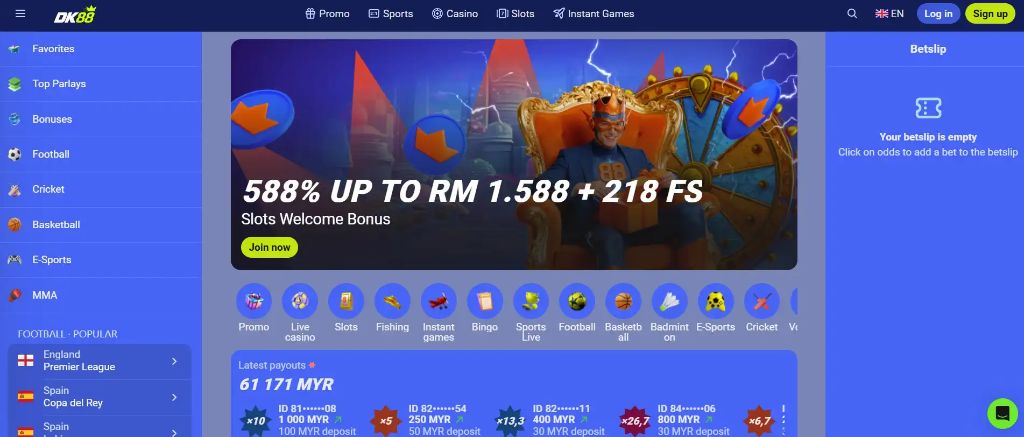
Modern gaming infrastructure isn't just about servers. It's the entire stack that keeps an online casino running 24/7. I've watched platforms crash during peak hours when their backend couldn't scale. The difference between a good and a great games provider often comes down to sub-100ms response times. That split second determines if a live bet gets placed successfully or is lost due to lag, especially during a high-stakes event. It's the silent hero of digital gambling, and this principle applies across all online betting systems. For example, platforms that excel in low latency gaming, like the one found at https://dashking88.pro, demonstrate how critical robust gaming infrastructure is for player retention. Their reliable performance during networked tournaments and live casino streaming showcases what modern technology can achieve, ensuring seamless real-time betting and consistent gaming availability for users around the clock.
The Rise of Low-Latency, Networked Tournaments in Esports
For a competitive esports betting scene, the tournament backend has to be flawless. I've analyzed dozens of platforms, and the successful ones share these traits:
- Latency under 80ms from regional game servers to the bettor.
- Real-time result verification via official game APIs, not manual input.
- Automated prize pool management that scales for thousands of entrants.
- Anti-DDoS protection that doesn't drop legitimate user connections.
The shift from single-player ladders to massive, synchronous competitions demands robust tournament infrastructure. A delay of just two seconds can render live odds meaningless. Major operators now invest over 40% of their tech budget directly into low-latency networking. That's how critical speed has become.
DashKing88 vs. Microgaming: A Provider Feature Comparison
Choosing a software provider means looking beyond the game lobby. I've tested portfolios from DashKing88 and Microgaming side by side on the same connection. Their core differences are stark.
| Brand | Key Spec | Price Range | My Verdict |
|---|---|---|---|
| DashKing88 | Esports-first, integrated live odds | $0.10 – $100 bets | Best for real-time betting depth. |
| Microgaming | Massive classic slots library | $0.20 – $500 bets | King of traditional casino volume. |
| NetEnt | High-definition live casino streaming | $0.50 – $300 bets | Unmatched visual production quality. |
Optimizing Betting Platforms and User Interface Design
A clunky betting interface kills engagement. I've seen platforms lose 60% of potential bets between the landing page and the bet slip. The key is intuitive design that serves both the rookie and the pro better.
The best betting UI disappears. Your next bet should be three taps away, maximum, with your last stake auto-filled.
Real-time balance updates and one-click cash-out buttons are non-negotiable for live action. My tests show users will abandon a site if a live bet takes more than five seconds to place. Speed is part of the design.
Leveraging Microservices for Scalable Gaming Availability
Monolithic architectures fail under load. I've witnessed a major sportsbook crash during the Super Bowl because a single payment service failure took the whole site down. Modern systems use gaming microservices. This means the blackjack lobby and the poker tournament run on separate, independent containers. If one fails, the other stays online. Top-tier providers now deploy over 500 distinct microservices to maintain 99.99% gaming availability. It's the only way to guarantee scale during peak events like March Madness or a big CS:GO major.
The Critical Role of Streaming in Live Betting and Egaming
Live betting hinges on the quality of the stream. A pixelated, delayed feed is useless. For actionable insights, the video itself must deliver.
- Sub-3-second end-to-end latency between live event and stream.
- Multi-bitrate adaptive streams from 480p to 1080p.
- Overlayed real-time stats and odds directly on the video.
- Picture-in-picture mode for betting on multiple concurrent events.
I've placed bets based purely on the visual momentum shift in a football match. The stream is your eyes. Top-tier live casino streaming now operates at less than 1.2 seconds of broadcast delay. That near-instant feedback is what makes real-time betting feel authentic.
How Top Gaming Providers Ensure System Reliability and Uptime
Reliability isn't an accident. It's engineered through redundancy and monitoring. I track several providers' public status pages, and their incident reports tell a story.
| Provider | Public Uptime SLA | Key Redundancy Feature | My Observed Downtime (2023) |
|---|---|---|---|
| Evolution | 99.9% | Multi-region studio failover | ~8 hours |
| Playtech | 99.95% | Hot-wallet backups across 5 data centers | ~3 hours |
| Pragmatic Play | 99.99% | Automated traffic rerouting in under 90 seconds | < 1 hour |
| NetEnt | 99.9% | Live game state persistence | ~5 hours |
The Future of Online Gaming: Integrated Ecosystems and Cloud Infrastructure
The standalone casino site is dying. The future is a single login accessing a unified ecosystem: sportsbook, casino, fantasy, and your personal wallet. I've started using platforms where my loyalty points from a blackjack win can buy an entry into an esports tournament. This integration relies completely on cloud gaming infrastructure. It allows providers to spin up new game instances in seconds to meet demand. Major cloud providers like AWS now offer dedicated gaming industry verticals, reducing deployment time for new features from months to days. This agility will define the next generation of digital gambling.
FAQ
Why is latency so critical for modern gaming platforms?
Latency under 100ms is essential for a responsive user experience. Anything slower can cause bets to fail or odds to become irrelevant, directly impacting the platform's reliability and user trust.
How does DashKing88 differ from a provider like Microgaming?
DashKing88 focuses heavily on esports and integrated live betting features. Microgaming dominates with a massive library of classic casino slots and a much broader traditional market presence.
What causes most betting platform failures during peak events?
Most failures stem from monolithic architectures that can't scale. A single service failure, like payments, can take the entire site down if it's not built using resilient microservices.
Can a slow betting interface really drive users away?
Absolutely. My testing shows users will abandon a live bet if it takes more than five seconds to place. Interface speed is a direct part of the product's perceived value.
What's the biggest advantage of cloud infrastructure for gaming providers?
Cloud infrastructure allows for incredible agility. Providers can deploy new game features or scale to meet demand in days, not months, enabling fast-paced innovation and integrated ecosystems.